

Why Investing in a Log Cabin Might Be Your Best Idea Yet
Why Log Cabin Investment Properties Are Capturing Investor Attention
The Unique Allure: Why Log Homes are a Hot Commodity
There’s something magical happening in today’s real estate market. While neighborhoods fill up with identical houses that all look the same, log cabin investment properties are capturing hearts and commanding premium prices. The reason? In a world of cookie-cutter developments, authenticity has become incredibly valuable.
The numbers tell an interesting story. With 82% of North Americans living in urban areas, there’s a massive population hungry for what we call “great, wooded escapes.” This urban concentration creates an enormous market of potential renters who crave the rustic charm and natural connection that only a log home can provide.
What makes log homes particularly attractive as investments is their role in the growing wellness architecture movement. This approach recognizes that the buildings we spend time in directly affect our mental and physical well-being. Unlike conventional homes filled with synthetic materials, log cabins offer guests an authentic connection to nature that actually reduces stress and improves mood.
The appeal runs deeper than just looks. Why You Should Consider Living in an Original Log Cabin Home explores how these structures tap into something deeply rooted in the American spirit – from Abraham Lincoln’s humble beginnings to the simple charm of frontier living. That emotional connection translates into real financial value.
The Timeless Appeal and Strong Resale Value
Here’s where the investment math gets really interesting. Log homes are genuinely rare in most markets. While developers can build hundreds of identical houses in a subdivision, authentic log cabins remain scarce. This scarcity creates what economists call “supply constraint” – and when demand exceeds supply, prices naturally rise.
Industry data consistently shows log cabins typically appraise at higher values per square foot than conventional homes. They also tend to sell faster, often because buyers view them as unique finds rather than just another house on the market. The enduring aesthetic means they don’t go out of style like homes with trendy finishes might.
There’s also a powerful emotional component that drives value. Log cabins evoke nostalgia and charm that resonates across generations. Buyers and renters aren’t just purchasing shelter – they’re buying into a lifestyle and experience. This emotional connection translates into financial premiums that smart investors can capitalize on.
The faster sales compared to conventional homes also means less time on the market when you’re ready to sell. This reduced carrying cost during the sales process adds another layer of financial benefit to your investment.
Health and Sustainability Benefits
The health benefits of log construction aren’t just marketing talk – they’re backed by real science. Conventional homes release volatile organic compounds (VOCs) from materials like drywall, carpet, and vinyl flooring for years after construction. These airborne toxins can cause health issues that guests are increasingly aware of and want to avoid.
Log cabins, built primarily from organic materials, sidestep this problem entirely. The natural wood creates what researchers describe as a measurable sense of calm and connectedness to nature. This isn’t just feel-good marketing – it’s a real benefit that guests will pay premium rates to experience.
The natural thermal mass of solid wood provides superior insulation properties. Well-built log homes can maintain comfortable temperatures with lower energy consumption, leading to reduced utility costs that improve your bottom line as an investor. The Energy Efficiency of Log Homes and Cabins details exactly how this thermal mass works to your advantage.
The sustainability angle is equally compelling for modern travelers. Log homes are constructed from renewable resources, appealing to environmentally conscious guests who represent a rapidly growing market segment. This demographic often has higher disposable incomes and willingness to pay premium rates for accommodations that align with their values.
When you combine the reduced stress benefits with the energy efficiency and environmental appeal, you’re offering guests something they simply can’t get in a conventional rental property. That uniqueness translates directly into higher occupancy rates and rental premiums.
Unpacking the Financials of a Log Cabin Investment Property
Let’s get real about the money side of log cabin investment property ownership. The financial picture looks different from your typical rental property, and understanding these differences can make or break your investment success.
Property appreciation forms the backbone of any smart real estate investment. Log cabins have consistently outperformed conventional homes in this area, thanks to their scarcity and unique appeal. Think about it – developers can’t just throw up a subdivision of identical log cabins like they can with traditional homes. This natural supply constraint creates what we call “appreciation premiums.”
The rental income potential is where things get exciting. Log cabins command premium nightly rates because they offer something guests simply can’t find in cookie-cutter vacation rentals. That Instagram-worthy rustic charm and authentic connection to nature allows you to charge rates that would make traditional rental property owners jealous.
Tax benefits add another layer of financial advantage. Depending on your situation, you may qualify for accelerated depreciation schedules. This is especially relevant if you’re considering innovative collections like Barndominiums that blend rustic appeal with modern functionality.
Here’s something most investors overlook: dual-seasonality. While beach houses might sit empty in winter, log cabins thrive year-round. Ski season brings one crowd, fall foliage attracts another, summer lake activities fill the calendar, and cozy winter retreats round out the year. This consistent demand smooths out your cash flow in ways traditional seasonal rentals can’t match.
Understanding the Upfront Costs and Long-Term Value
We won’t sugarcoat it – log cabins require a higher initial investment than conventional construction. But here’s the twist: that premium you pay upfront often translates into instant positive equity. Because log homes typically appraise at higher values per square foot, you may find yourself with immediate equity before appreciation even kicks in.
Land acquisition deserves special attention in your financial planning. The best log cabin investments sit on desirable lots – waterfront, mountain views, or secluded forest settings. These locations command premium prices, but they also deliver premium returns. The land itself often appreciates faster than the structure, creating compound value growth that traditional suburban lots rarely match.
Think of it this way: you’re not just buying a building, you’re buying a complete experience. That experience includes the setting, the structure, and the story they tell together.
| Feature | Log Homes | Traditional Homes |
|---|---|---|
| Durability | 100+ years with proper maintenance | 50-80 years typical lifespan |
| Maintenance | Higher, specialized requirements | Standard, widely available services |
| Aesthetic Appeal | Unique, timeless rustic charm | Varies, subject to trends |
| Resale Value Potential | Premium pricing, faster sales | Market-dependent |
Navigating Financing and Appraisals
Here’s where many investors hit their first real challenge. Financing a log cabin investment property isn’t like getting a mortgage on a suburban ranch house. Lenders often have “overlays” – additional requirements beyond standard loan criteria – when dealing with unique properties.
The good news? Fannie Mae and Freddie Mac do support financing for log cabins under their unique property guidelines. The key is finding lenders experienced with these transactions. Log Home Financing provides detailed guidance on navigating these waters successfully.
Appraisals present their own unique challenges. Appraisers must find comparable sales to justify value, but log cabins are inherently uncommon. This scarcity means appraisers might need to expand their search radius or make significant adjustments for construction type, age, and amenities.
Working with appraisers who understand log construction is crucial. They need to assess not just square footage but also factors like log type, chinking quality, and how age affects value differently than in traditional homes. A well-informed appraiser becomes your ally in establishing proper value.
The appraisal process might take longer than conventional properties, but patience often pays off. When appraisers understand the log home market, they can justify values that reflect the true worth of these unique properties.
The Practical Realities: Challenges and Maintenance Commitments
Here’s the truth about owning a log cabin investment property: they’re beautiful, profitable, and absolutely require more hands-on care than your typical rental. We’ve watched too many investors get caught off guard by this reality, so let’s have an honest conversation about what you’re really signing up for.
Think of log home maintenance like owning a classic car. It requires more attention than a modern sedan, but the rewards – both financial and personal – make it worthwhile. The key is understanding what you’re getting into before you dive in.
Log homes face challenges that simply don’t exist with conventional construction. Weathering from sun, rain, and temperature changes affects the wood differently than vinyl siding. Pest control becomes more complex when dealing with wood-boring insects that see your beautiful logs as a potential home.
But here’s what we’ve learned after decades in this business: every maintenance challenge has a solution. The problems arise when owners ignore these needs or try to treat log homes like traditional houses.
Essential Maintenance for Longevity
Periodic restaining and recaulking form the backbone of log home care. Depending on your climate and how much weather your cabin faces, you’ll need to restain every three to five years. This isn’t just about looks – it’s about protecting the wood from moisture damage that can cost far more to repair than prevent.
Log cleaning and treatment should happen annually, especially for rental properties that see heavy use. This involves removing dirt, mildew, and other contaminants that can gradually damage the wood. Professional log home maintenance companies exist in most markets, though finding them requires more effort than calling the local handyman.
Gutter and drainage systems deserve special attention because water is the enemy of log construction. Clogged gutters that overflow onto logs can cause rot and structural damage that’s expensive to fix. Make sure downspouts direct water well away from your foundation – this simple step prevents countless headaches down the road.
The investment in proper maintenance pays dividends. The Ultimate Guide to Log Cabin Maintenance: Keeping Your Retreat in Pristine Condition walks you through everything you need to know to protect your investment through proper care.
Common Challenges to Prepare For
Pest control takes on new dimensions with log construction. Carpenter ants and termites view untreated logs as an all-you-can-eat buffet. The good news is that modern log treatment methods make these problems largely preventable. The key is working with pest control professionals who understand log construction and can create prevention plans rather than just responding to problems.
Finding specialized contractors can be your biggest operational challenge, especially in markets where log homes are uncommon. Not every roofer understands how to work around log construction, and not every electrician knows how to run wiring through log walls without compromising structural integrity. Start building relationships with qualified contractors before you need them – this single step will save you time, money, and frustration.
Insurance considerations often catch new log home owners by surprise. Some insurers view log structures as higher risk, leading to higher premiums or coverage limitations. Shop around and work with agents who understand log construction. Document your maintenance activities to demonstrate proper care – insurers appreciate owners who take proactive steps to protect their properties.
Market resistance exists in some areas where log homes are uncommon. This can affect both rental demand and resale value, so research your local market thoroughly. Areas with outdoor recreation, established tourism, or existing log home communities typically offer better investment prospects than markets where log homes are viewed as oddities.
The bottom line? Yes, log cabin investment properties require more attention than conventional rentals. But they also command higher rental rates, appreciate faster, and offer unique tax advantages that often more than compensate for the additional maintenance requirements. The key is going in with realistic expectations and proper preparation.
Maximizing Your Investment: From Smart Design to Rental Success
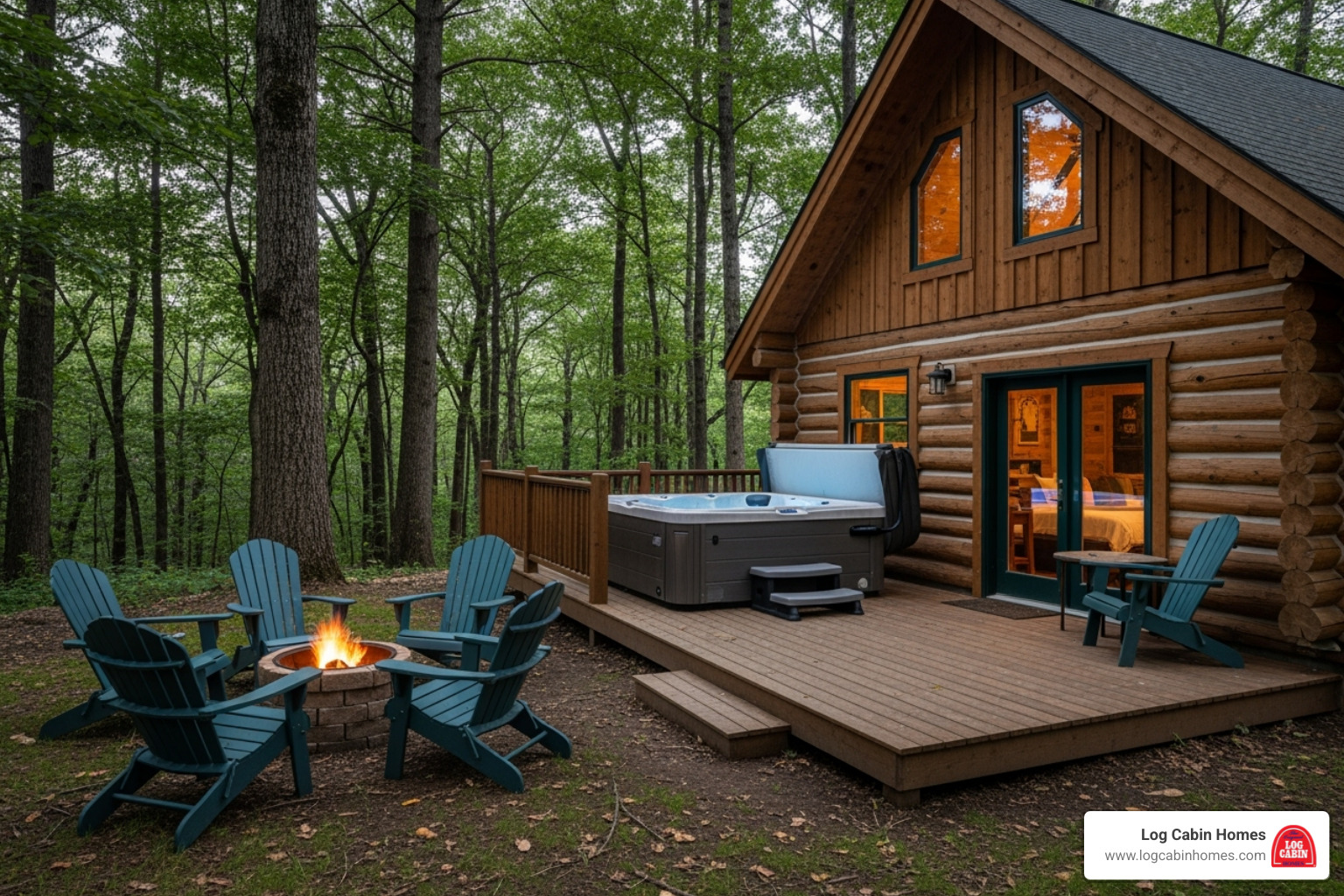
Here’s the truth about log cabin investment property success: it’s not enough to just buy any log cabin and hope for the best. The difference between a struggling rental and a thriving investment often comes down to smart design choices and strategic planning.
Today’s cabin guests aren’t just looking for rustic charm – they want experiences they can’t get at home. They’re scrolling through hundreds of rental options, and yours needs to stand out in those first few photos. The good news is that log cabins already have a huge advantage in the uniqueness department. Your job is to improve that natural appeal with the right amenities and location.
We’ve watched investors transform their returns by focusing on what guests actually want versus what they think guests want. The most successful log cabin investment properties balance authentic character with modern conveniences that make guests feel pampered rather than roughing it.
Location remains the make-or-break factor. A mediocre cabin near a national park will outperform a stunning cabin in the middle of nowhere. Proximity to attractions like lakes, ski slopes, hiking trails, or charming towns can turn a decent investment into an exceptional one.
Designing for Appeal and Profitability
Smart amenity choices can dramatically boost your rental income and booking rates. Hot tubs consistently rank as the most requested feature, creating those Instagram-worthy moments that drive repeat bookings. Properties with hot tubs typically see significantly higher occupancy rates, especially during shoulder seasons when outdoor activities might be limited.
High-speed internet has shifted from nice-to-have to absolutely essential. The rise of remote work means many guests are extending their stays and working from your cabin. Reliable internet isn’t just about convenience – it opens up your property to the growing digital nomad market.
Pet-friendly policies can be a game-changer if your property can accommodate them. Pet owners often struggle to find quality accommodations and are willing to pay premium rates when they do. Just be sure to factor in additional cleaning and potential wear when setting your policies.
Fireplaces and fire pits create those cozy moments that guests remember long after they leave. There’s something magical about gathering around a fire that connects to the log cabin experience on a primal level. These features often become the centerpiece of guest photos and reviews.
Large decks and outdoor spaces effectively extend your property’s living area without adding square footage. They’re particularly valuable for log cabins because they improve the connection to nature that guests are seeking.
The key is understanding your target market. Are you catering to romantic getaways, family reunions, or trip seekers? Each market has different priorities, and your amenity choices should reflect that focus.
Custom Design Services can help you create a property that maximizes both guest appeal and rental profitability. Our design team understands what works in the rental market and can guide you toward features that deliver the best return on investment.
Consider innovative approaches like The Farmhouse Collection, which blends rustic charm with modern functionality. These designs often appeal to a broader range of guests while maintaining the authentic character that draws people to log cabins in the first place.
Strategic Considerations for Your Log Cabin Investment Property
Timing your purchase can significantly impact your initial investment and long-term success. Off-season buying often presents better negotiation opportunities and less competition from other investors. For ski-area properties, spring and summer shopping can yield better deals. For lake properties, avoid peak summer months when prices and competition are highest.
Marketing your rental requires a different approach than traditional real estate. You’re not just selling a place to sleep – you’re selling an experience. Your photos, descriptions, and guest communications should emphasize the unique character, natural setting, and special amenities that set your property apart from generic vacation rentals.
Platform diversification protects your investment from changes in any single booking platform. While Airbnb and VRBO are obvious starting points, consider direct booking websites, local tourism boards, and regional rental agencies. This approach reduces platform dependency and can improve your profit margins by avoiding commission fees.
Property management becomes crucial if you’re not local to your investment. Log cabins require specialized care, so generic property management companies might not be the best fit. Look for managers who understand log construction and can handle the unique maintenance requirements while maximizing your rental income.
The most successful log cabin investment property owners think like hospitality professionals. They understand that creating memorable experiences leads to positive reviews, repeat bookings, and word-of-mouth referrals that drive long-term success.

Conclusion
The log cabin investment property market offers something truly special – a chance to blend smart financial planning with the timeless appeal of authentic American living. We’ve walked through the numbers, the challenges, and the opportunities, and here’s what it all comes down to: this isn’t just another real estate investment category.
What makes log cabin investments so compelling is how they address multiple needs at once. You’re not just buying a rental property that generates income. You’re investing in a piece of heritage that connects with something deep in the American spirit – that desire to escape the hustle and find peace in nature.
The financial benefits are clear and measurable. Premium rental rates, strong appreciation potential, and tax advantages create a solid foundation for wealth building. But the lifestyle benefits add another dimension that traditional investments simply can’t match. There’s genuine satisfaction in owning a property that brings joy to families and creates lasting memories.
The health and wellness aspects we discussed aren’t just nice-to-have features – they’re becoming essential selling points. As more people understand the connection between their environment and well-being, properties that offer natural materials and forest settings become increasingly valuable.
From our years of experience at Log Cabin Homes, we’ve watched investors find that success comes from understanding the unique nature of these properties. Yes, they require more specialized care than conventional rentals. Yes, you’ll need to find contractors who understand log construction. But investors who accept these realities often find the rewards far exceed the extra effort.
The durability factor sets log cabins apart from almost every other investment property type. A well-built log home can serve families for generations, literally outlasting the mortgages used to finance them. This longevity means your investment can provide steady income streams for decades while continuing to appreciate in value.
Market fundamentals remain strong across the board. Urban population growth continues creating demand for nature-based retreats. The wellness architecture movement shows no signs of slowing down. And the inherent uniqueness of log cabins means they’ll never become commoditized like cookie-cutter vacation rentals.
What we find most rewarding is helping investors who are ready to think beyond traditional real estate categories. A log cabin investment property represents a chance to build wealth while creating something meaningful – a place where families reconnect, where city dwellers find peace, and where memories are made.
The path isn’t without challenges, but the potential rewards extend far beyond financial returns. You’re investing in a lifestyle, preserving a piece of American tradition, and creating a tangible asset that can provide both income and personal enjoyment for years to come.
Ready to explore how a log cabin investment property could transform your portfolio? Explore our premium log home packages to start your investment journey and find why so many investors are choosing log cabins as their path to both financial success and personal fulfillment.


